
Seafood


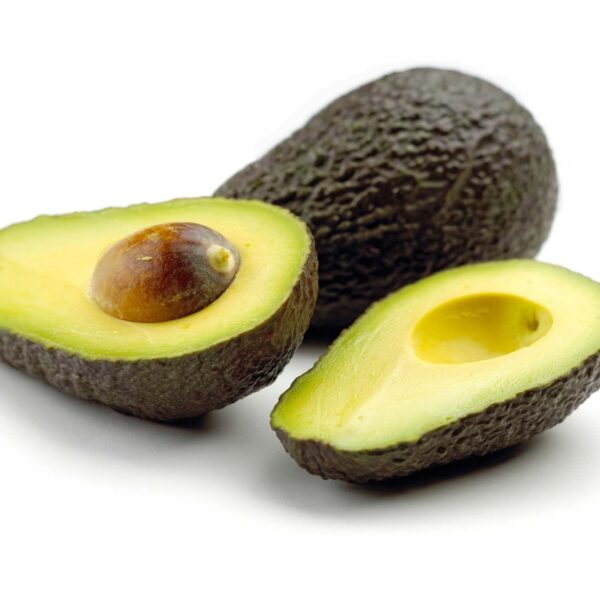


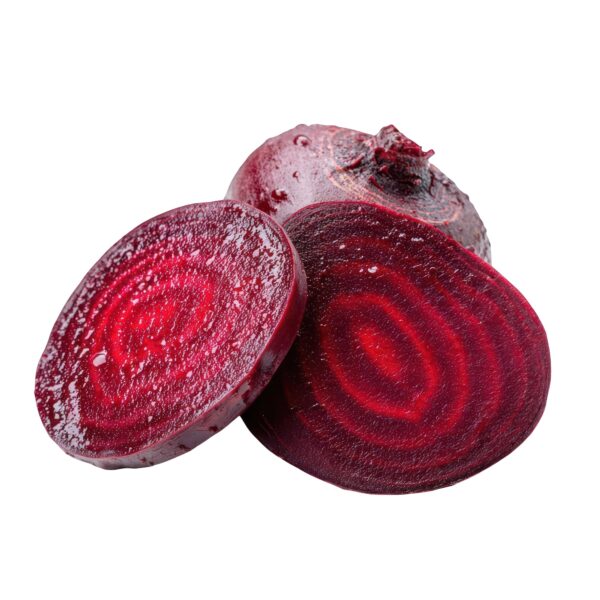

In today’s evolving food landscape, consumers are increasingly becoming conscious of what they eat and how it is produced. One of the most significant decisions individuals face is whether to purchase organic vegetables or genetically modified organism (GMO) alternatives. While both options are widely available, organic vegetables offer distinct advantages in terms of health, environmental sustainability, and long-term food integrity.
Organic vegetables are grown using natural farming practices that avoid synthetic fertilizers, pesticides, and genetic modification. Farmers rely on composting, crop rotation, and biological pest control to maintain soil health and productivity. These practices are guided by internationally recognized organic farming standards. In contrast, GMO vegetables are genetically engineered to enhance traits such as pest resistance, shelf life, or yield, using processes explained in modern agricultural biotechnology.
One of the primary reasons consumers prefer organic vegetables is their potential health benefits. Organic produce is cultivated without the use of synthetic chemicals, reducing the likelihood of pesticide residue in food. Long-term exposure to such chemicals has been associated with various health concerns, including hormonal disruption and chronic illnesses.
Additionally, several studies suggest that organic vegetables may contain higher levels of certain nutrients, including antioxidants. These compounds play a crucial role in protecting the body against oxidative stress and supporting overall well-being. Evidence from scientific research on organic foods highlights these nutritional advantages.
Organic farming practices are designed to work in harmony with nature. By avoiding synthetic inputs, organic agriculture helps preserve soil fertility, reduce water pollution, and protect biodiversity. Techniques such as crop rotation and natural pest management contribute to healthier ecosystems and more resilient agricultural systems, as supported by global environmental studies on organic agriculture.
On the other hand, GMO farming is often associated with intensive agricultural practices that rely heavily on chemical herbicides and pesticides. Over time, this can lead to soil degradation, water contamination, and the emergence of resistant pests and weeds.
Purchasing organic vegetables often means supporting small-scale and local farmers who prioritize quality over quantity. These farmers typically adopt ethical and sustainable practices that benefit both the community and the environment. By choosing organic produce, consumers contribute to the growth of responsible agriculture and help sustain local economies. You can also explore trusted local organic suppliers to make informed purchasing decisions.
Organic certification standards require strict adherence to defined farming practices, providing consumers with greater transparency about how their food is produced. Labels indicating organic status are regulated and verified, offering assurance of quality and compliance. More details can be found under organic certification guidelines.
GMO labeling, however, varies across regions and may not always be clearly indicated. This lack of transparency can make it difficult for consumers to make informed choices.
Choosing between organic and GMO vegetables ultimately depends on individual priorities, but the advantages of organic produce are compelling. From reduced chemical exposure and enhanced nutritional value to environmental sustainability and support for local farmers, organic vegetables align with a more conscious and responsible approach to food consumption.
If you are ready to make a healthier shift, start by exploring our organic product selection, connect with local suppliers, or get in touch with us to learn how you can incorporate organic choices into your daily lifestyle.
No account yet?
Create an Account


